
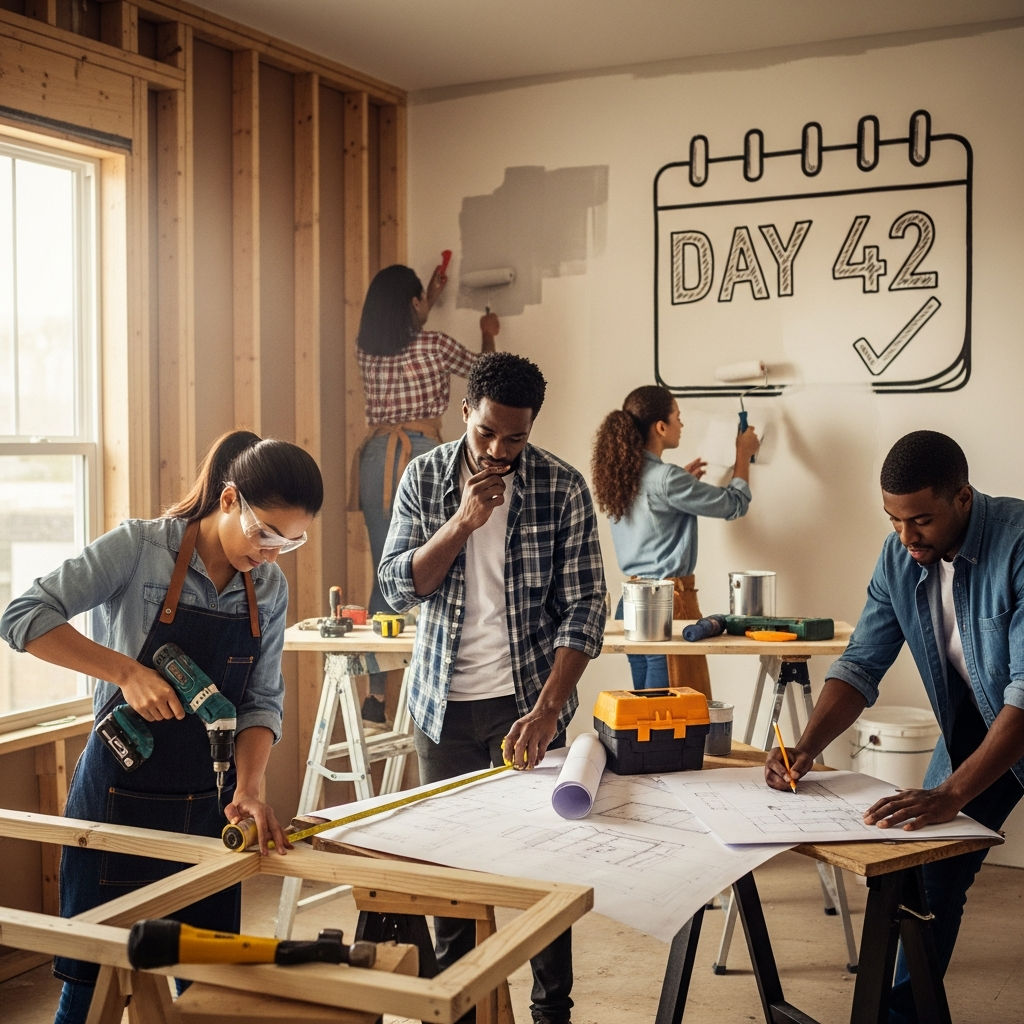
How to Master Home Improvement in 42 Days: Your Ultimate Guide
The dream of a perfect home often feels like a marathon with no finish line. Between leaking faucets, outdated wall colors, and that squeaky floorboard you’ve ignored for a year, the “to-do” list can become overwhelming. However, mastering home improvement isn’t about becoming a master carpenter overnight; it’s about strategic skill acquisition and consistent action. By dedicating just six weeks—42 days—to the craft, you can transform from a DIY novice into a confident homeowner capable of tackling almost any renovation task.
In this guide, we break down the 42-day journey into six focused weeks. Each week targets a specific area of home maintenance and improvement, ensuring you build your skills logically and safely. Let’s dive into the ultimate 42-day home improvement masterclass.
Why 42 Days? The Psychology of the Six-Week Sprint
Research suggests that it takes anywhere from 21 to 66 days to form a new habit. By choosing 42 days, we land in the “sweet spot.” It is long enough to complete significant projects but short enough to maintain high motivation. This timeframe forces you to prioritize tasks, manage your budget effectively, and see visible results quickly, which fuels the momentum needed for larger renovations down the road.
Week 1: The Foundation – Tools, Safety, and Mindset
Before you swing a hammer, you need to know what’s in your hands. The first seven days are dedicated to building your “DIY Infrastructure.”
- Days 1-3: Building the Essential Toolkit. Invest in quality over quantity. You need a cordless drill, a level, a 25-foot tape measure, a utility knife, a set of screwdrivers, and a hammer. Learn how to maintain these tools so they last a lifetime.
- Days 4-5: Mastering Safety Protocols. Learn where your main water shut-off valve is and how your circuit breaker works. Understanding how to “kill the power” or “stop the flood” is the most important skill in home improvement.
- Days 6-7: The Art of Measurement. “Measure twice, cut once” is a cliché for a reason. Practice measuring windows, doorways, and floor space. Learn how to account for “lost” space in corners and thicknesses of materials.
Week 2: Walls and Aesthetics – The Power of Paint
Nothing changes the feel of a home faster than paint and drywall repair. This week focuses on the “skin” of your home.
Mastering Surface Prep
Most beginners fail at painting because they skip the prep work. Spend days 8 through 10 learning how to patch holes with spackle, sand surfaces smooth, and apply painter’s tape like a professional. A perfect finish is 90% preparation and 10% application.
- Choosing the Right Sheen: Learn when to use Matte, Eggshell, Satin, and Gloss. Hint: Use semi-gloss for trim and moisture-prone areas like bathrooms.
- Cutting In: Practice the steady-hand technique of “cutting in” around ceilings and baseboards without using tape. This skill alone will save you hours on future projects.
- Texture Matching: If your walls have a specific texture (like orange peel or knockdown), learn how to replicate it using spray cans or sponges to hide repairs seamlessly.
Week 3: The “Scary” Stuff – Basic Plumbing and Electrical
Many homeowners are terrified of pipes and wires. Week three is about demystifying these systems through “swap-out” projects that don’t require a license but do require care.
- Electrical (Days 15-18): Learn how to safely swap an old light fixture for a modern chandelier or replace a cracked outlet cover. Always use a voltage tester to ensure the power is truly off.
- Plumbing (Days 19-21): Master the “P-Trap.” Learn how to clear a clog, replace a kitchen faucet, and fix a running toilet. These three skills can save you hundreds of dollars in plumber call-out fees.
Note: During this week, the goal is “replacement,” not “re-routing.” If you need to move a gas line or rewire a whole room, call a professional. Mastery also means knowing your limits.
Week 4: Curb Appeal and the Great Outdoors
Now that the interior is taking shape, it’s time to focus on the first impression. Curb appeal adds immediate value to your property and improves your mood every time you pull into the driveway.

Exterior Maintenance Skills
On days 22 through 28, shift your focus to the exterior. This isn’t just about aesthetics; it’s about protecting your home from the elements.
- Pressure Washing: Learn the different nozzles and pressure levels. Power washing your siding, driveway, and deck can make a 10-year-old home look brand new.
- Gutter Care: Clean and repair gutters. Ensure downspouts are diverting water at least five feet away from your foundation to prevent basement flooding.
- Landscaping Basics: Learn the “thriller, filler, spiller” method for planters and how to edge your lawn for that professional, crisp look.
Week 5: Kitchen and Bath Refinement
Kitchens and bathrooms are the highest ROI (Return on Investment) areas of any home. You don’t need a full gut-job to make an impact. This week is about the “mini-reno.”
- Hardware Upgrades: Swap out dated cabinet pulls and knobs. It sounds simple, but modern matte black or brushed gold hardware can transform a kitchen in two hours.
- Caulking Mastery: Remove old, moldy caulk from around tubs and sinks. Learning to lay a smooth, clean bead of silicone caulk is a hallmark of a home improvement master.
- Backsplash Installation: Try your hand at a “peel-and-stick” tile backsplash or even a simple subway tile with premixed grout. It’s a manageable weekend project that yields massive visual results.
Week 6: The Finishing Touches and Long-Term Systems
In the final week, you will focus on the details that make a house feel like a curated home, while setting up systems for future success.
Organization and Trim Work
Days 36 to 40 should be spent on trim, molding, and organization. Install “floating shelves” in the living room or a closet organization system. These projects require the measurement skills you learned in Week 1 and the finishing skills from Week 2.
The Home Maintenance Calendar
On Day 41 and 42, your final task is to create a “Home Master File.” Document the following:
- The exact paint colors (brand and code) used in every room.
- The dates you changed HVAC filters and smoke detector batteries.
- A schedule for seasonal maintenance (checking the roof in spring, winterizing pipes in fall).
Conclusion: The Journey Doesn’t End at Day 42
Mastering home improvement in 42 days isn’t about knowing everything; it’s about losing the fear of trying. By the end of these six weeks, you will have a functional toolkit, a library of basic skills, and—most importantly—the confidence to troubleshoot problems as they arise.
Your home is likely your largest financial asset. By taking the time to master these DIY skills, you aren’t just saving money on contractors; you are investing in the longevity and beauty of your living space. Start small, stay consistent, and in 42 days, you’ll be amazed at what you can accomplish with your own two hands.